How India’s Quality Controls Are Testing the India–UK FTA

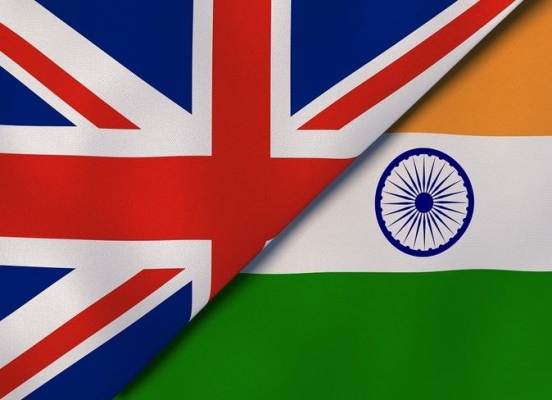
India’s Quality Control Orders on dairy products have emerged as an early pressure point in the India–UK Free Trade Agreement, highlighting how regulatory policy can shape market access outcomes as much as tariffs. While the agreement has been framed as a historic step toward deeper economic integration, scrutiny from the UK’s House of Lords suggests that the real test of the FTA will lie in how domestic regulations interact with trade commitments.
In its recent report, the House of Lords International Agreements Committee examined the structure and implications of the India–UK FTA and flagged several risks for British industries. Among these was the observation that India’s Quality Control Orders, particularly in the dairy sector, could function as non-tariff barriers. The committee noted that India has not offered tariff liberalisation in dairy, citing domestic sensitivities, while maintaining stringent product standards and conformity requirements that may raise compliance costs for UK exporters.
The report also drew attention to the broader regulatory architecture underpinning these measures. India’s QCOs are often introduced unilaterally and enforced through mandatory certification, creating uncertainty for foreign suppliers unfamiliar with India’s standards regime. While acknowledging that some quality-related orders have been withdrawn or modified in recent years, the committee expressed concern that the absence of deeper regulatory cooperation could dilute the market access gains expected from the FTA.
This issue matters because it reflects a structural shift in how India approaches trade and industrial policy. Rather than relying primarily on tariffs, India is increasingly using standards, quality controls, and technical regulations to manage imports, protect consumers, and support domestic industry. In the context of free trade agreements, this approach reshapes negotiations by moving the focus from price concessions to regulatory frameworks, transparency, and institutional trust between partners.
For the India–UK FTA, the identification of dairy QCOs as non-tariff barriers signals the limits of tariff-led liberalisation in sensitive sectors. It also highlights the growing importance of regulatory dialogue, mutual recognition, and predictable standards-setting in ensuring that trade agreements translate into effective market access. Without these elements, formal concessions may have limited practical impact.
For MSMEs and the wider trade ecosystem, the debate has implications beyond the dairy sector. India’s expanding use of QCOs affects how firms integrate into domestic and global value chains, increasing the role of testing infrastructure, certification bodies, and regulatory compliance systems. While such measures can protect domestic producers from sub-standard imports, they also raise the compliance threshold across the market. As India deepens its engagement through FTAs, how it balances quality regulation with openness will play a critical role in shaping competitiveness, participation, and trust within its trade relationships.

You may also like